Last year, after an eternity of wanting to read it but never doing so, I finally read Babel by R F Kuang. And it blew my mind. The way it played with language is something I will never forget. It wasn’t a perfect book for me, but an outstanding one. And now, after months of putting it off because I was worried my high expectations wouldn’t be met, I read her latest novel, Katabasis. I should have known my fears would be unfounded, silly me.
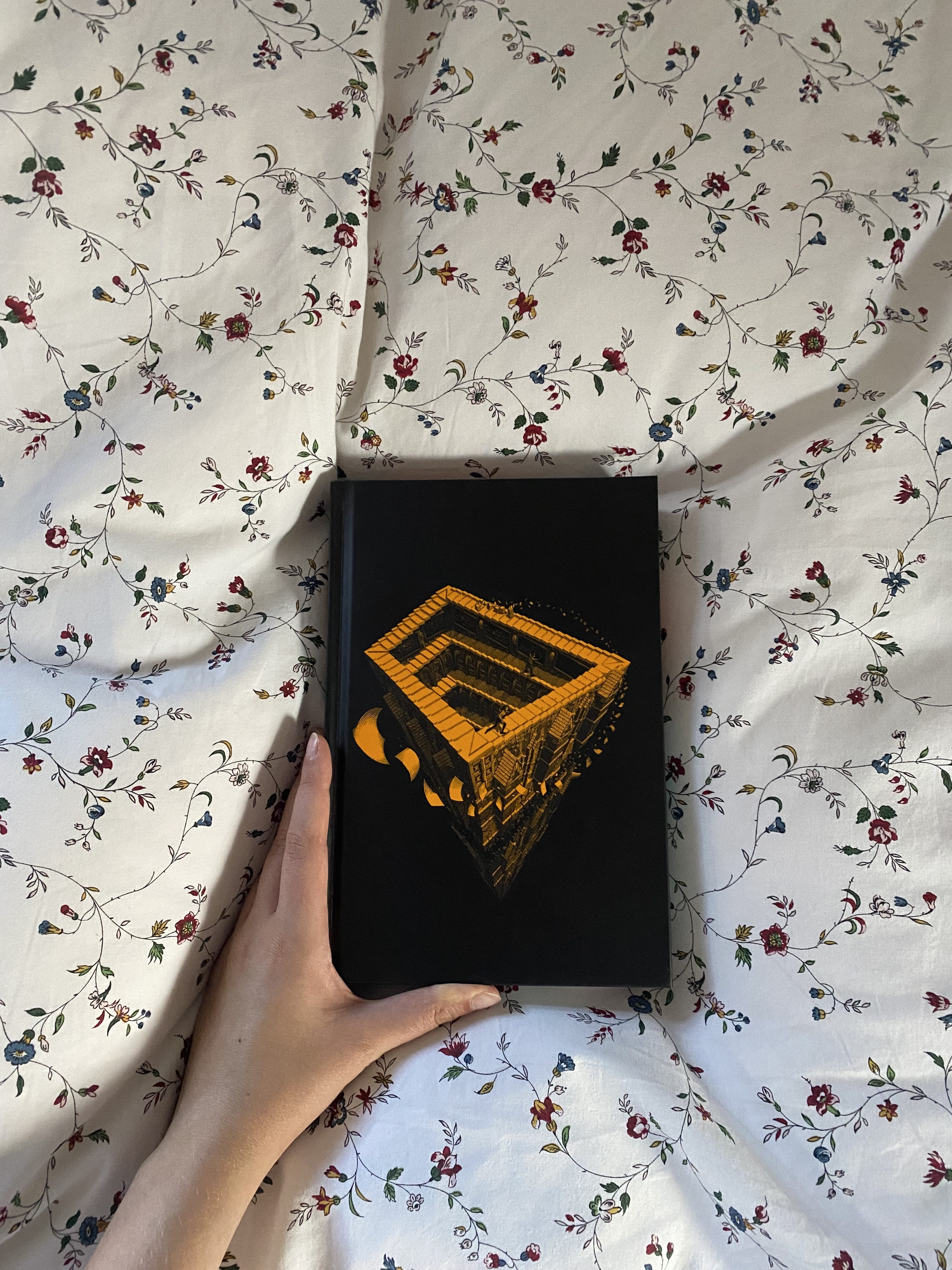
Because boy oh boy, did Katabasis suck me in from the very first page. There’s no unnecessary build up, no preamble, no fuss: Pretty much after a couple of pages, we are in literal hell with our two protagonists, Peter and Alice. They used to be very close friends, now they are something more like enemies. But of course, in order to make it through hell and back, they have to cooperate. Why are they in hell, you ask? They’re trying to rescue their dead magick Professor, for they are both studying magick at Cambridge and apparently, that means a profound dedication to your studies and professors that includes risking your own life to save theirs.
Now, I am a bit of a sucker for novels set at a prestigious, pretentious university, which is a big reason why I loved Babel so much. Oxford is basically its own character in that story. Katabasis, meanwhile, is set in hell, but Cambridge feels ever-present regardless. Alice, whose perspective the book is mostly from, thinks a lot about Cambridge, her place in it, and the pressures of studying at a world class university. As someone who has considered doing a PhD (although never in a million years at Cambridge university) but so far has not dared to, I have found a lot of her musings highly relatable. I think that would be the case for anyone with a love for academia, anyone who has ever gotten a taste of that world and was both fascinated and repulsed by it. To me, Katabasis is as much a story about academics as it is an adventure story set in hell.
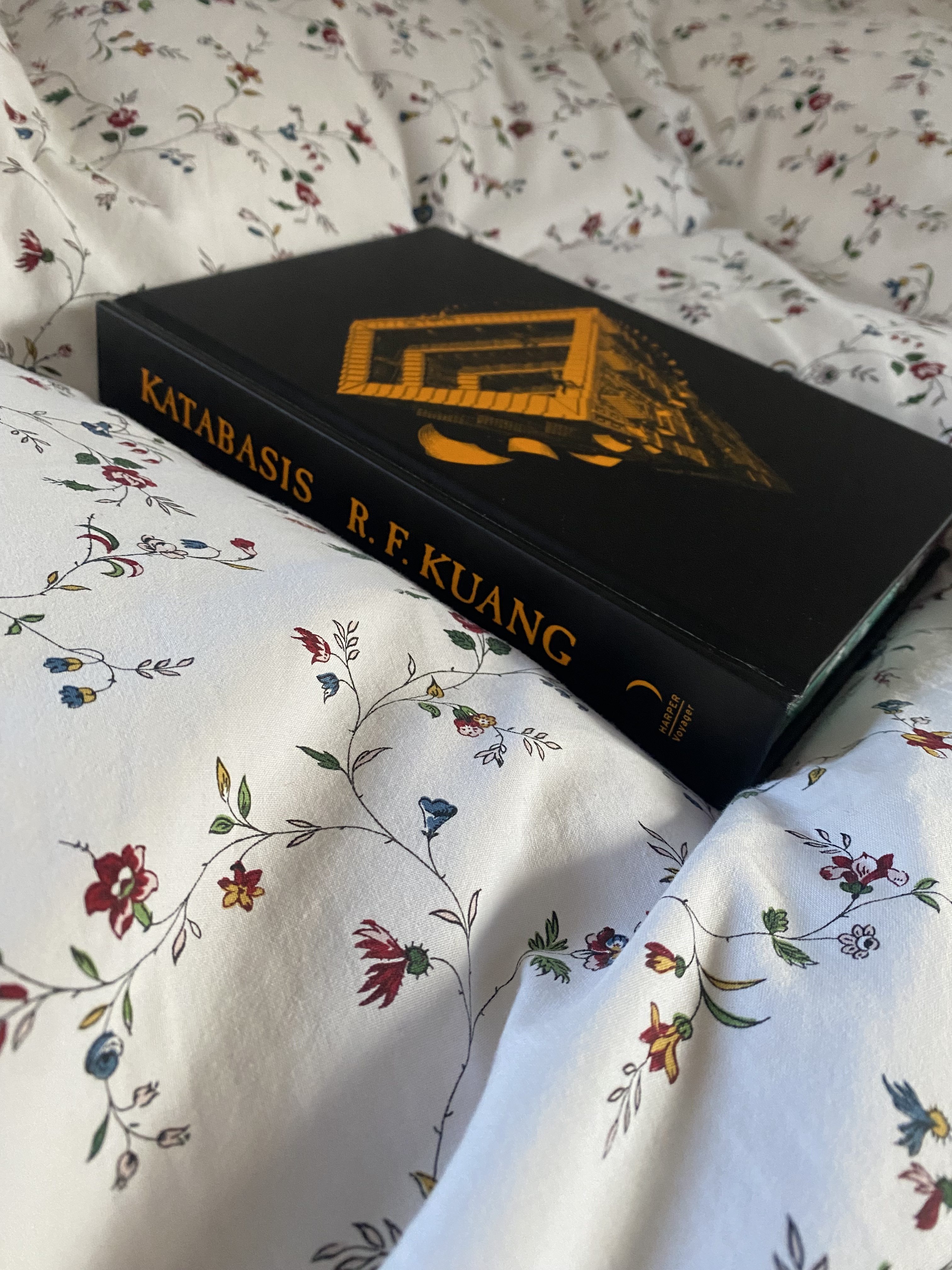
Similarly to Babel, Katabasis opens up a lot of moral questions. How far ought you to go for your passion, your dream? What should you endure to get what you want? Is it worth losing yourself in all of it if it means you will be respected and praised? For some readers, these musings, doubts and worries might be too heavy-handed, as there are pages upon pages during which Alice ponders these questions. I didn’t mind that, but I can see how someone who just wants to get on with the action might grow frustrated.
I loved how R F Kuang spaced out the flashbacks, how we slowly learned more about our main characters, understood their motivations better and what really happened to them. Alice and Peter aren’t exactly likeable characters, they’re both insufferable know-it-alls a lot of the time, and they have both crossed boundaries for their research that I think they had better shied away from. But they’re also both victims of this at times quite cruel system, especially as this story is set in the late 1980’s, when things weren’t quite as progressive as they are today (or were five years ago, let’s not pretend we’re not becoming less progressive by the second).
Also, I thoroughly enjoyed the magick system in this book. It’s a bit hard to explain, but it’s a lot to do with drawing chalk pentagrams on the floor and using logic to solve riddles. I really enjoy it when a book is set in the human world, and everything is normal, except there is some sort of magick that opens up almost endless possibilities for the plot. The overall system wasn’t explained all that much, but whenever magick played a part in the plot, it was easy enough to understand how it worked.
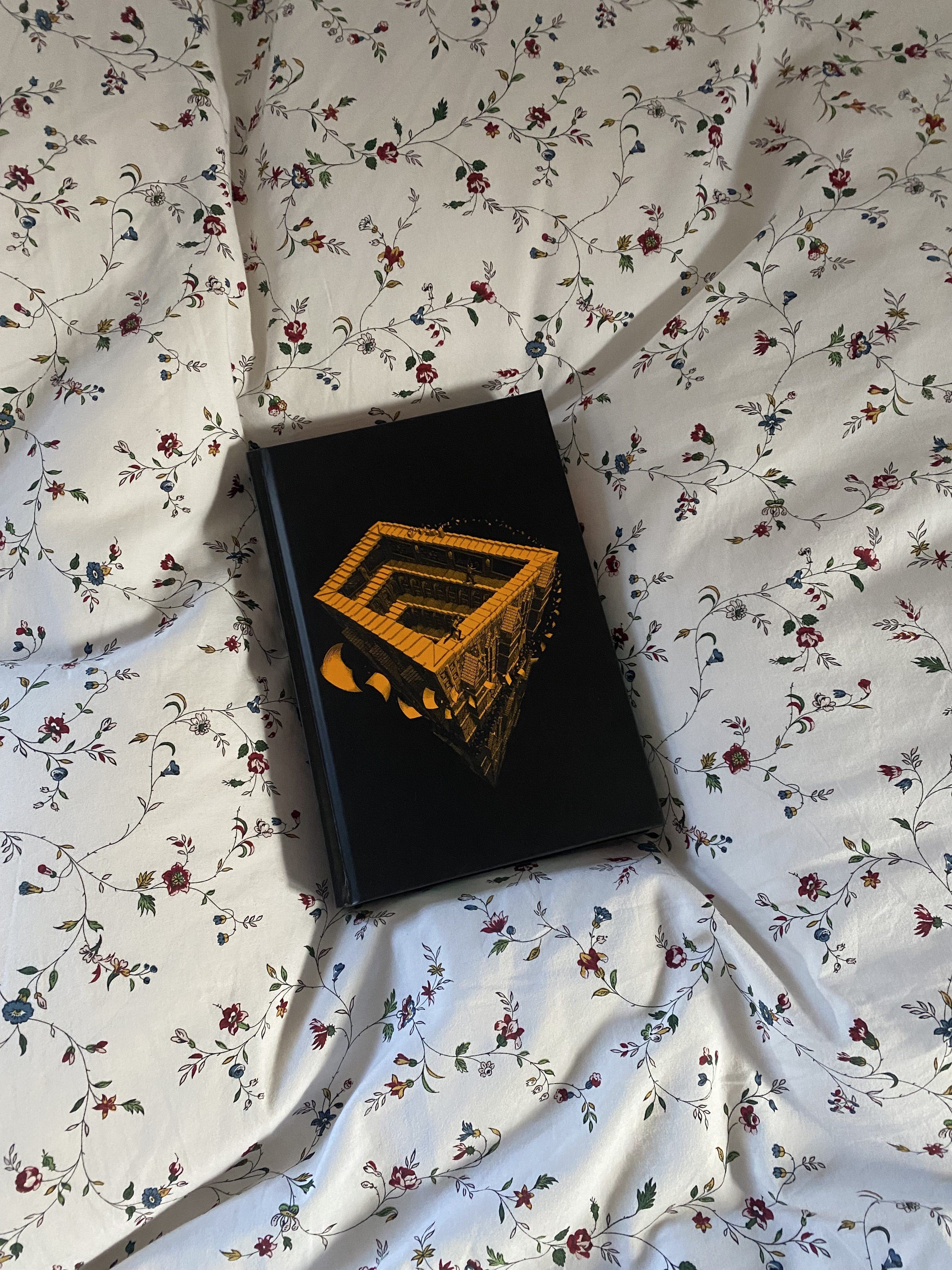
To me, making two former friends turned enemies walk through hell together on an almost impossible quest is simply such a fun premise that I was hooked from the very first page. I had such a blast reading Katabasis, because it is fast paced, despite the frequent flashbacks to Alice’s years at Cambridge and everything that led to her going to hell. I loved that she was a morally ambiguous character, and that she was still portrayed as human and I could root for her all the same. R F Kuang created a fascinating hell that held so much in store for readers, and I would have happily read another five hundred pages of it.
Perhaps its plot wasn’t as mind-blowing as that of Babel, but I actually didn’t mind that. It’s a simpler story in lots of ways, but not a less interesting one. There was less history squished into its pages, though there were lots of references to Dante and Wittgenstein and Nietzsche, and the pacing was great. I’ve come to understand that it’s best to go into R F Kuang’s books with an open mind and little concrete expectations, and I think Katabasis is an incredibly fun read if you go into it knowing little about it.
Do let me know your thoughts on Katabasis, if you’ve read it! I would love to know what you thought of the ending, and if you’ve read Babel, which book you preferred! If you want to know my thoughts on Babel, I have a blog post reviewing it. Happy reading!



Leave a comment