Ah, I love me a well-written villain. The kind you hate so much, deep down you love them for being so class at being bad. And I do think a lot of stories greatly benefit from a deep, layered antagonist, who propels the story forward by derailing everything. So, without further ado, here are some of my favourite bookish villains!
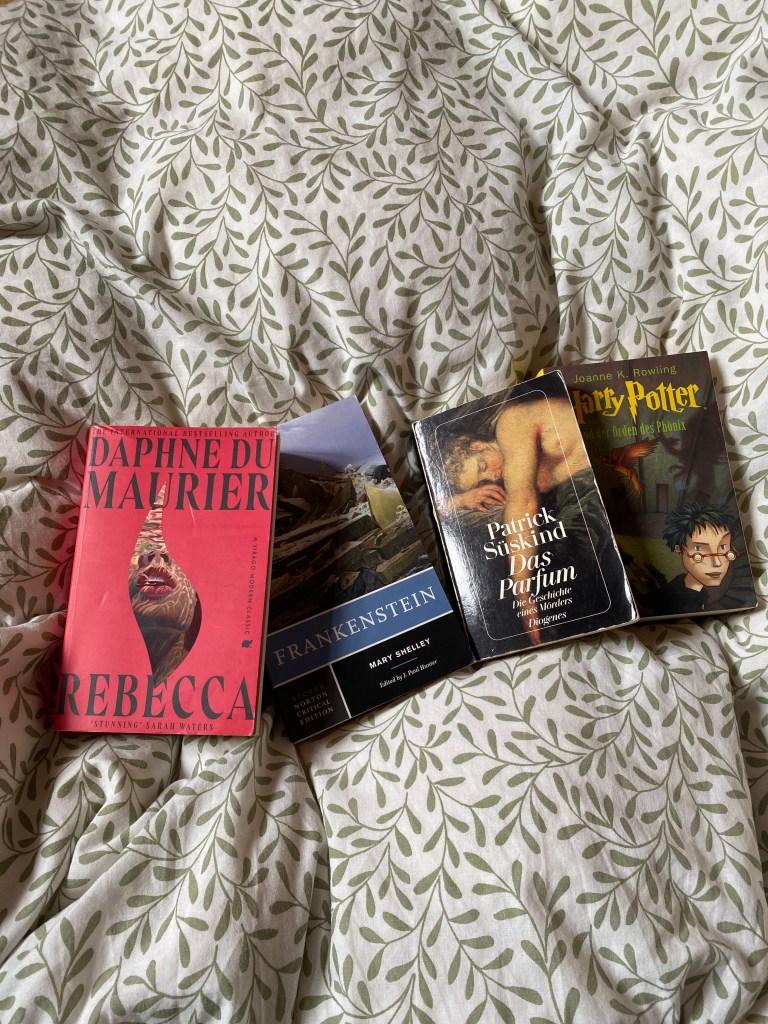
Dolores Umbridge from Harry Potter
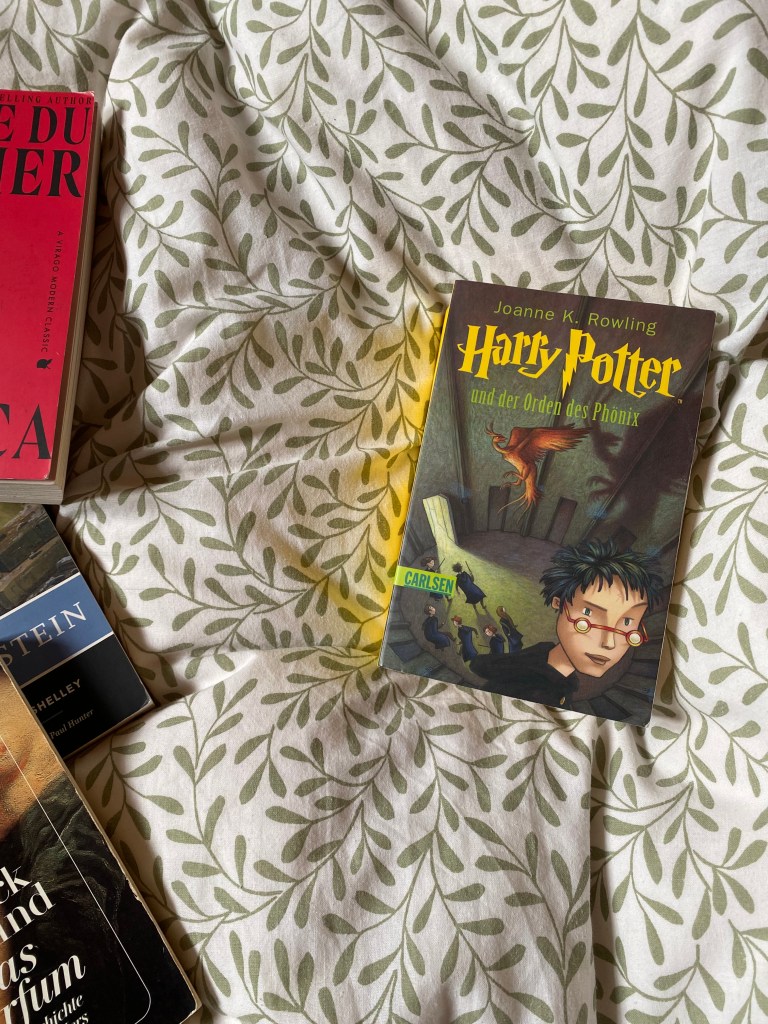
Okay, let’s get the most obvious one out of the way first. There simply was no way I could have written this blog post without mentioning Umbridge. She was the first villain I encountered that made me appreciate how thoroughly you can hate a book character with every fibre of your being. Umbridge is mean, but not stupid. She has ulterior motives that go far beyond teaching Harry not to lie because she thinks he is a spoilt brat. And she is part of a system that tries to overhaul the status quo from within, by gaining slightly more power with every move she makes, until Hogwarts is almost entirely within her control. Of course, there are many villains in Harry Potter and you may argue the ultimate one is Voldemort. There is some truth to that, yes, but in my opinion, Umbridge is the more complex and therefore believable villain, because she is slighlty more subtle than Voldemort. With the latter, we know from the start that he is the bad guy and while I certainly never got any good vibes from Umbridge, the true extent of her maliciousness is being shown to us readers slowly. Ugh, I just hate this woman so much and love everything about it.
Mrs Danvers in Rebecca
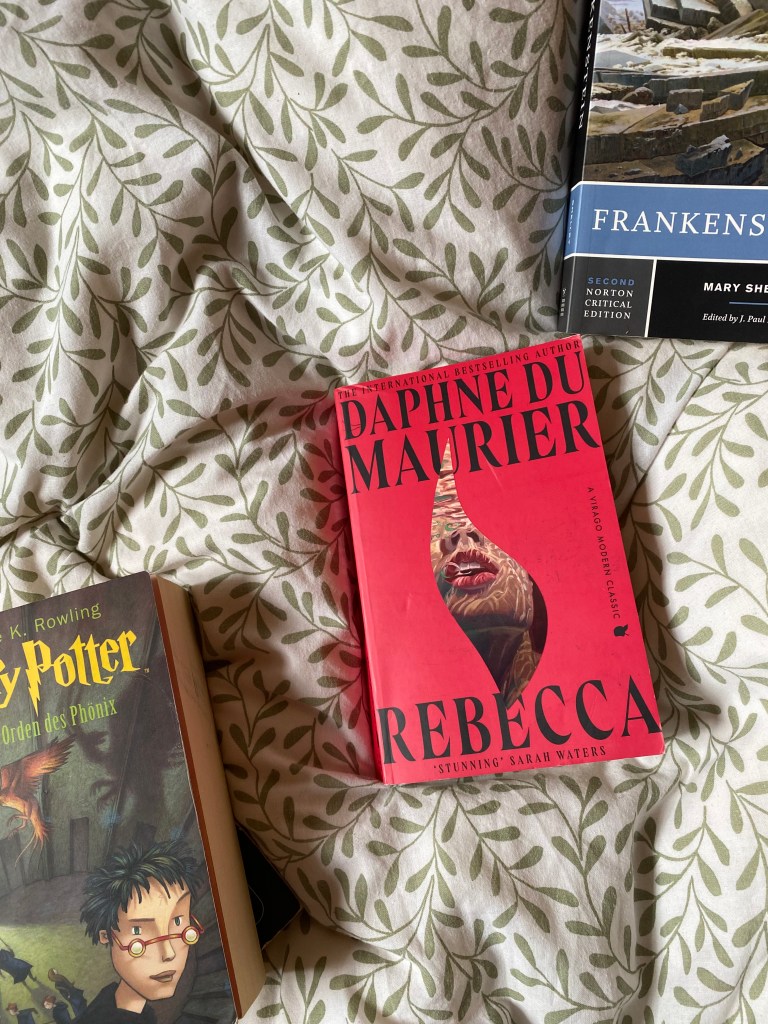
In many ways, Mrs Danvers is only a side character in the story of Rebecca, focusing on a young new wife living in Manderley with her older husband, feeling very much like his deceased first wife is still around and in charge of the place. Mrs Danvers is a servant and greatly infatuated (I do think there has always been something romantic/erotic about her loyalness to Rebecca) with the first Mrs De Winter. Mrs Danvers does her utmost from the beginning to make the new wife feel hopelessly inferior to the first one, so you pretty much dislike her the moment you meet her. The extent of her hatred for the new Mrs De Winter is unravelled slowly over the course of the novel, as well as her remaining love for the late wife. All of this gives Mrs Danvers a slightly unhinged air, which I thoroughly loved, as it kept me guessing what she would do next. It also really helped that I could theoretically understand Mrs Danvers feelings. She was mourning the death of a woman she seemingly admired (and perhaps loved) a lot and disliked the young woman attempting to take her place. I think Mrs Danvers feelings are human, although ugly. And this ability to understand where she is coming from makes her a great antagonist, because she is entirely believable.
Jean-Baptiste Grenouille in Perfume
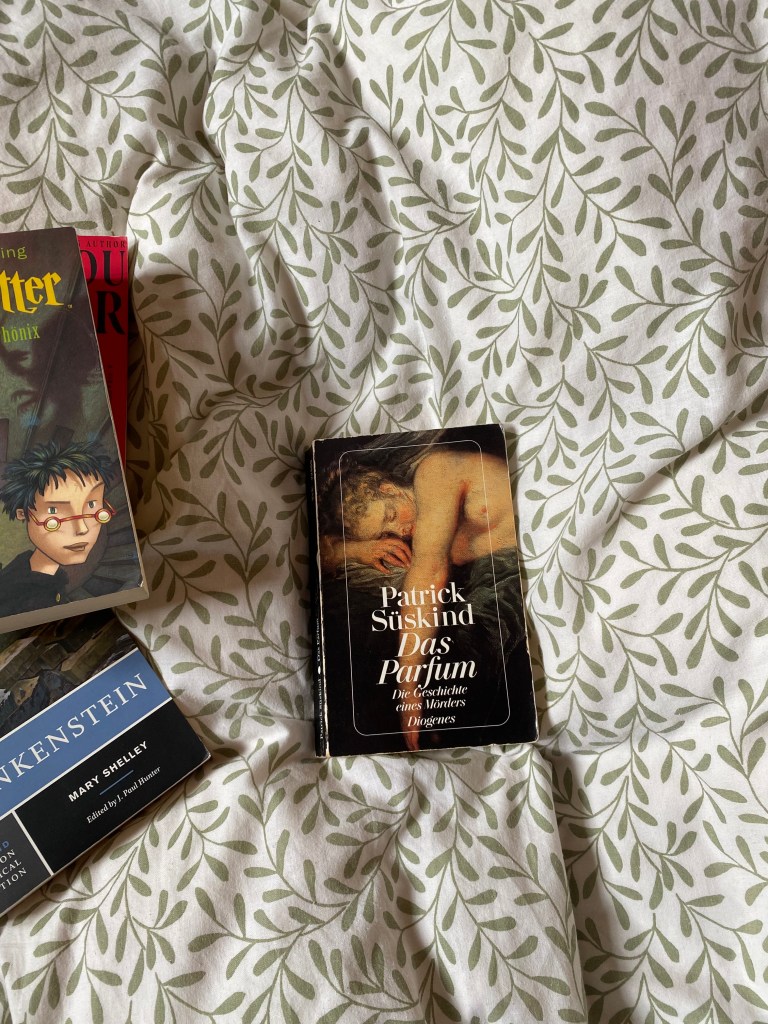
This entire book is genius from start to finish and that is in large part due to its phenomenally unusual protagonist, Jean-Baptiste Grenouille. There are spoilers ahead because it is impossible to discuss Perfume without giving away its basic plot, so you have been warmed. The protagonist is obsessed with the idea of creating the perfect smell, the perfume that can drive people crazy and make them lose their mind. The way he attempts to create that smell is by killing women and capturing their scents. So, it’s safe to say Grenouille is a fundamentally bad person. But at the same time, Patrick Süsskind wrote this novel so brilliantly that you cannot help but root for the protagonist at least a little bit. I desperately wanted to see if he could succeed and what would happen to him, and because Grenouille does not act out of hatred or malice, but a very pure desire and passion, it sometimes felt difficult to remind myself that what he was doing was completely unhinged and bad. And you know an antagonist is written brilliantly when you cannot help but root for them (and then feel guilty for doing so). Every time I read Perfume, I fall into this trap again, even though I know where the story goes and how it ends. It’s just so damn good and also has one of the best endings to a story ever, in my opinion.
Frankenstein in Frankenstein
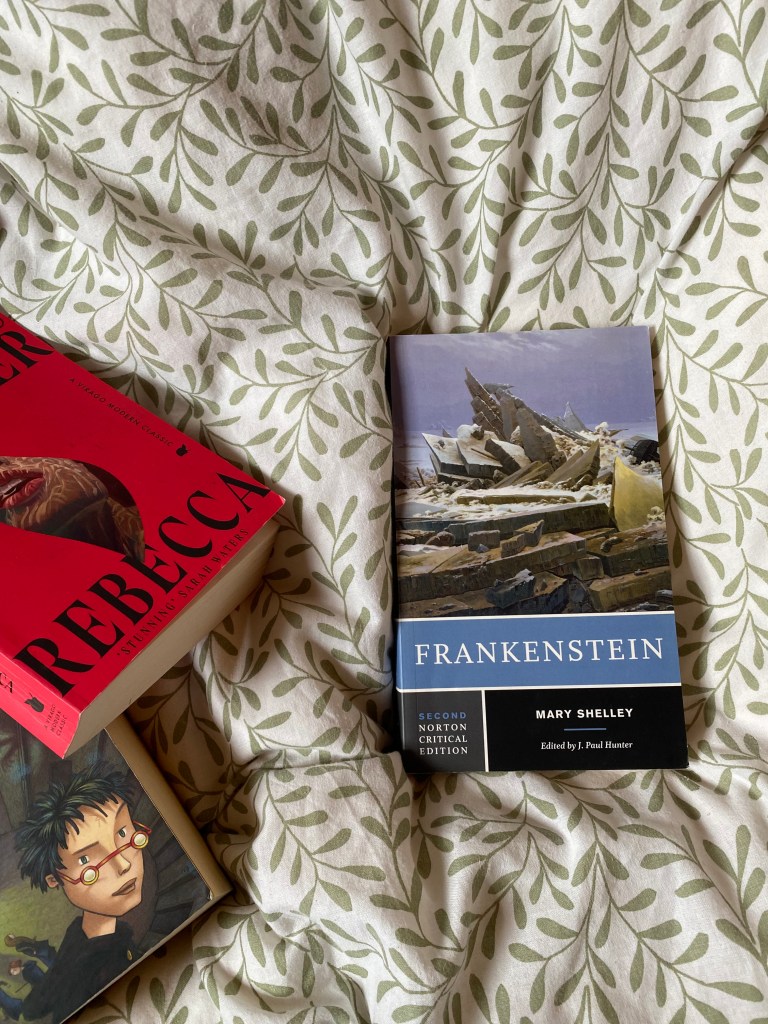
In order to avoid confusion: I am not talking about the creature in Frankenstein, but about its creator, Frankenstein himself. Because if you ask me, that guy is the real villain in Frankenstein, one of my favourite classics. He creates the creature out of a desire to be the first to be able to create life from unanimated body parts and while I understand that a lot of that comes from genuine scientific interest, I think it is nothing but cowardly to then go and act the way he does. He fails to take responsibility for his actions and tries to pretend that he is the poor guy who has to suffer for one mistake he made in an attempt to contribute to science. Yes, Frankenstein does seem to come to the conclusion he has made some mistakes as the story progresses, but for me that is a classic case of too little, too late. And he really is quite a genius for arguing the case that his creature really is a monster, although he never so much as gave him a chance to be human. And I love that Mary Shelley asked us to use our brains when reading her novel and not just believe in the easiest answer by creating a monster-like character in appearance who is actually innocent and a pleasant-looking character whose behaviour is actually monstrosic on a moral level. Seeing how we get to hear the story from the perspective of Frankenstein, it’s even easier to simply believe his version of events, because the creature is never given the same opportunity to tell his side of the story. It’s one of those cases where the villain isn’t immediately obvious but once you’ve figured it out, you can’t help but condemn him fully.
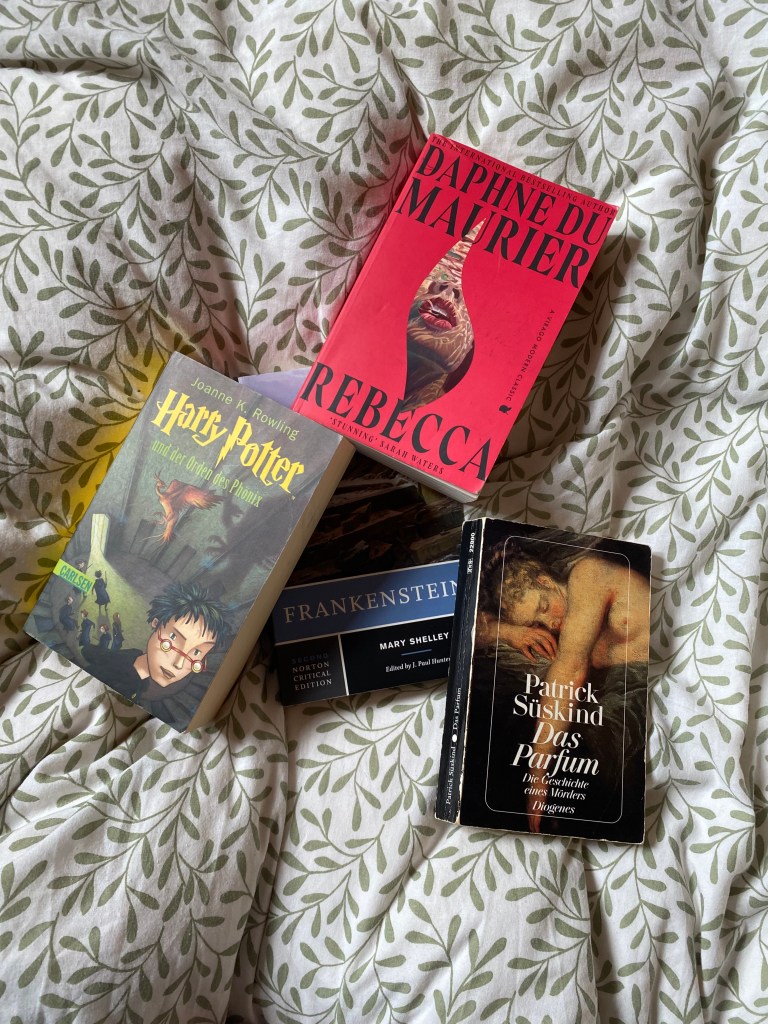
These are some of my favourite villains from books. Do let me know if you agree or have any villains to add! And if you want more recommendations, I have a review of Rebecca here and a blog post all about books I don’t get to talk about enough. Happy reading!

 lou's library
Leave a reply to Babel Review – lou's library Cancel reply