I’m not going to lie, my reading year went off-piste in the second week of January and hasn’t gone back on track since. I’m reading less than usual, and when I do get sucked into a book it’s a reread. I have not had a five star book this year yet (apart from ones I’ve read before), which is concerning. But I’ve also felt pretty chill about reading less, which is a pleasant surprise, because reading is not a competition and it’s nice that my brain has gotten that memo now. That being said, I wanted to make a little blog post documenting my reading journey over the past month or so, and share with you all the good and the bad of it. Fasten your seatbelts and let’s go!
What We Can Know by Ian McEwan
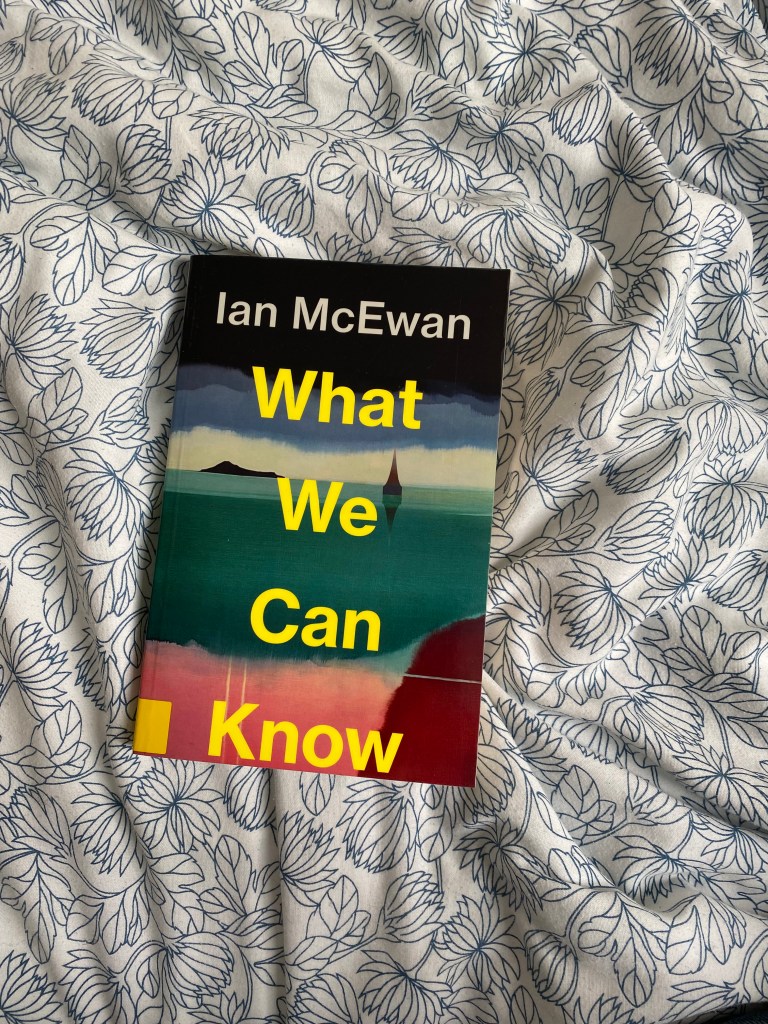
I’m an Ian McEwan stan. Atonement is one of my favourite books of all time and also, in my humble opinion, one of the best books ever written full stop. I also love On Chesil Beach by him, but didn’t much like The Innocent. But when I heard everyone and their cat rave about his latest book, What We Can Know, and I then randomly found a copy in my local library that no one had snatched up yet, I immediately took that treasure home with me. Needless to say, my expectations were high. Were they met? Not quite, I have to admit. But let’s start at the beginning, shall we? The first half of this book is set a hundred or so years in the future from now, in a time when climate change has changed the earth and the way humans live entirely. Britain has been partially swallowed by the sea, which means parts of Scotland are incredibly hard to reach. That does not stop our protagonist Tom from trying to get there because he believes a famous lost poem by the poet Francis Blundy to be buried there. The second part of the book then goes back in time to Francis’ life and explores the story of said poem. What We Can Know is an incredibly tender story about how we view and value artists and the arts in general, about remembrance, living with the consequences of our actions, climate catastrophe and who we want to be as humans. It packs a punch and I frequently found myself underlining stunning sentences. It’s an ambitious read in its scope and one that will stay with you after you have finished it. I cannot quite put my finger on why I did not love it as much as I hoped I would, but suspect it is to do with me having an aversion towards climate fiction. I’m doing my best to educate myself on climate change and to live in a way that does not contribute to it (to the best of my limited possibilities), but I find that reading fiction about it only makes me anxious. That’s a personal preference though, which is why I would wholeheartedly recommend What We Can Know!
The Song Of Achilles by Madeline Miller
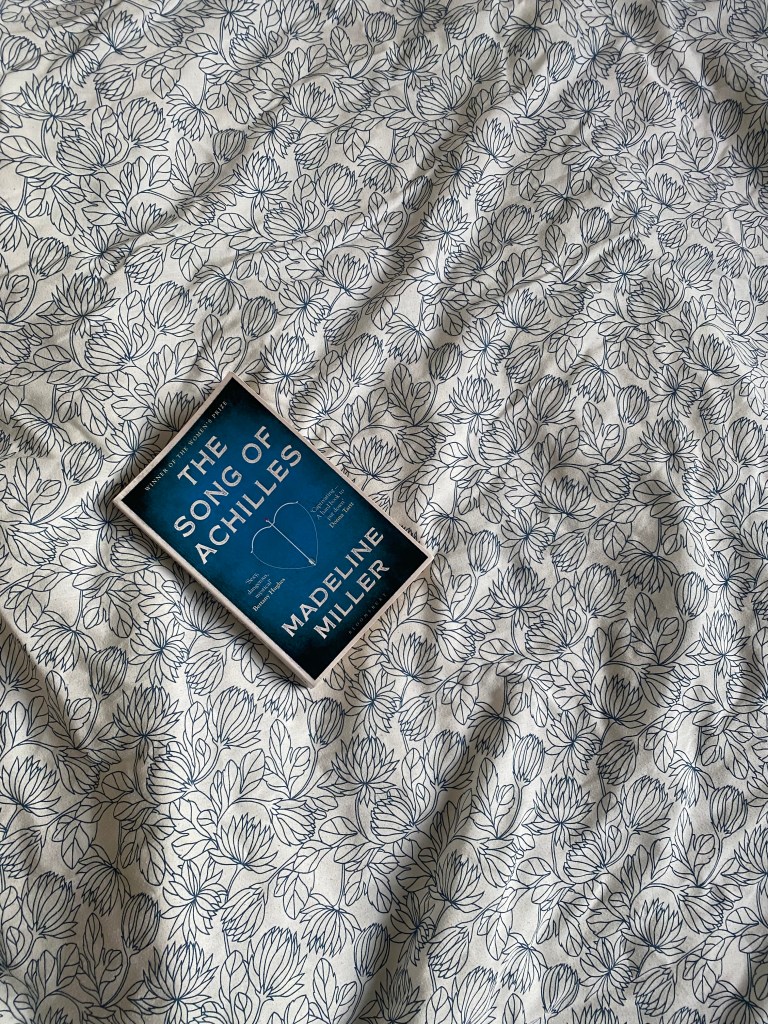
I did it! I walked straight into the depths of torturous hell that is The Song of Achilles by Madeline Miller. And as this was my second time reading this book, I knew exactly what I was getting myself into. And what a blast I had! This book got me out of a reading slump, and I did not want it to end. If you’ve ever spent so much as a second on bookish social media, you will have seen this book, but just in case you do not know what it is about: we follow the life of Achilles, golden boy of the Greek gods, and his companion Patroclus, who is the narrator of this book. The two of them meet as boys, get taught by Chiron and then head to Troy to fight in the war there. That’s what happens on the surface, but just you trust me when I say that so much more goes on between the surface, and it’s delicious and tender and beautiful and gut-wrenchingly sad. Madeline Miller’s writing is out of this world, her sentences sound like poems, there’s a melody to them that I am addicted to, and the way she has turned this age-old tale on its head and still stayed truthful to its essence is exceptional. There is a reason this book gets so much hype online, and if you have not read this yet, then what are you doing?? Honestly, it was even better the second time around, so I would highly recommend dipping your toes back in if you read The Song of Achilles back when it first blew up online. It holds up incredibly well.
The Eye of the Needle by Ken Follett
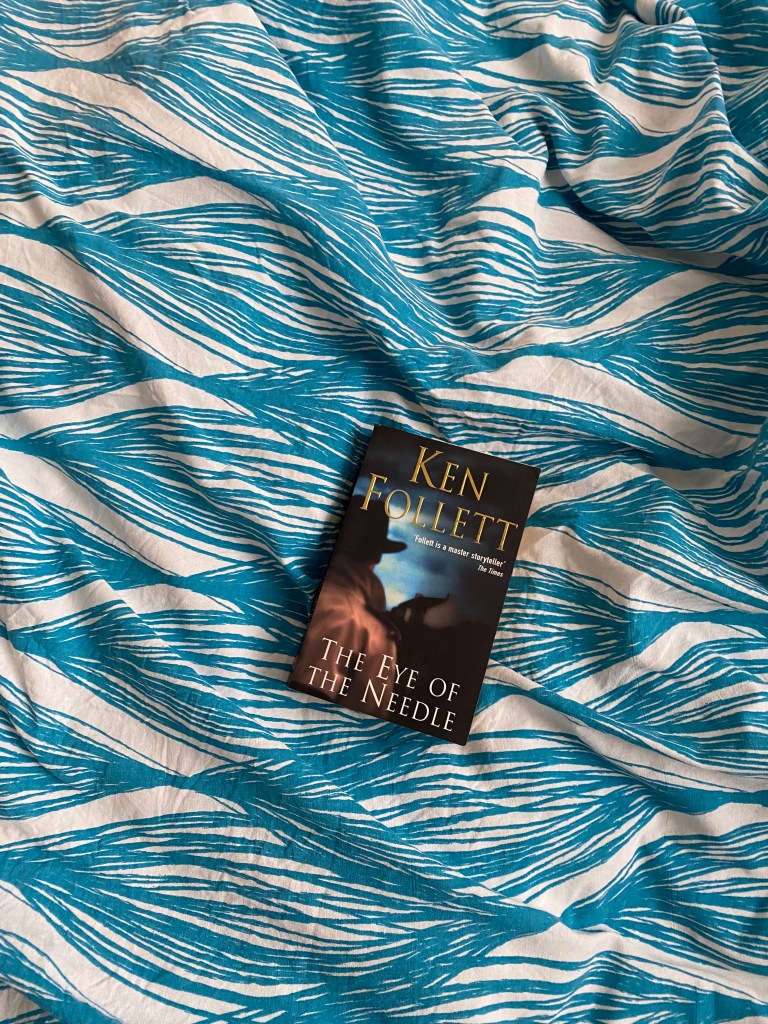
YOU GUYS ARE SLEEPING ON MY GUY KEN!!! Ken Follett is one of my all time favourite writers, and I think he is the GOAT of historical fiction. He’s not exactly a secret though, as he has sold millions upon millions of books over the last 50 years. But he does not seem very popular among the younger generations of readers, and I am here to change that. I first read The Eye of the Needle about ten years ago, and I basically had to give up normal life while doing so because I could not put it down. Ever since then, I have been scared to reread it because surely it would not be as good the second time around, given that it is a thriller and there would be no surprises in the plot for me left. But I should have known I can always count on my incredibly bad memory when it comes to books, and Ken’s ability to write plots so well that you admire them even more when you (roughly) know what’s coming. All of which is to say: I had a blast rereading this spy thriller! And I usually do not even like spy thrillers, so do not let this put you off if you’re also not a thriller person. The premise is simple. It’s 1944, Britain is preparing for D-Day, and everything depends on Germany not figuring out where exactly the Allied Forces will attack. But there’s a German spy in Britain (nickname: Die Nadel, which is German for The Needle) figuring out what the British are doing, so now the race is on to stop him from getting that information to Germany in time. It’s a breathless book that will keep you on the edge of your seat. There are so many incredible historical details in here, and the writing is to the point and addictive. I was completely outraged at having to go to work when all I wanted to do was read, which is my favourite feeling in the world! The book was published in the 1970’s (and there’s a really good adaptation starring Donald Sutherland!), and I feel like it deserves to blow up in the 2020’s! And once you’re done with The Eye of the Needle, may I recommend his Winter of the World trilogy?
The Fraud by Zadie Smith
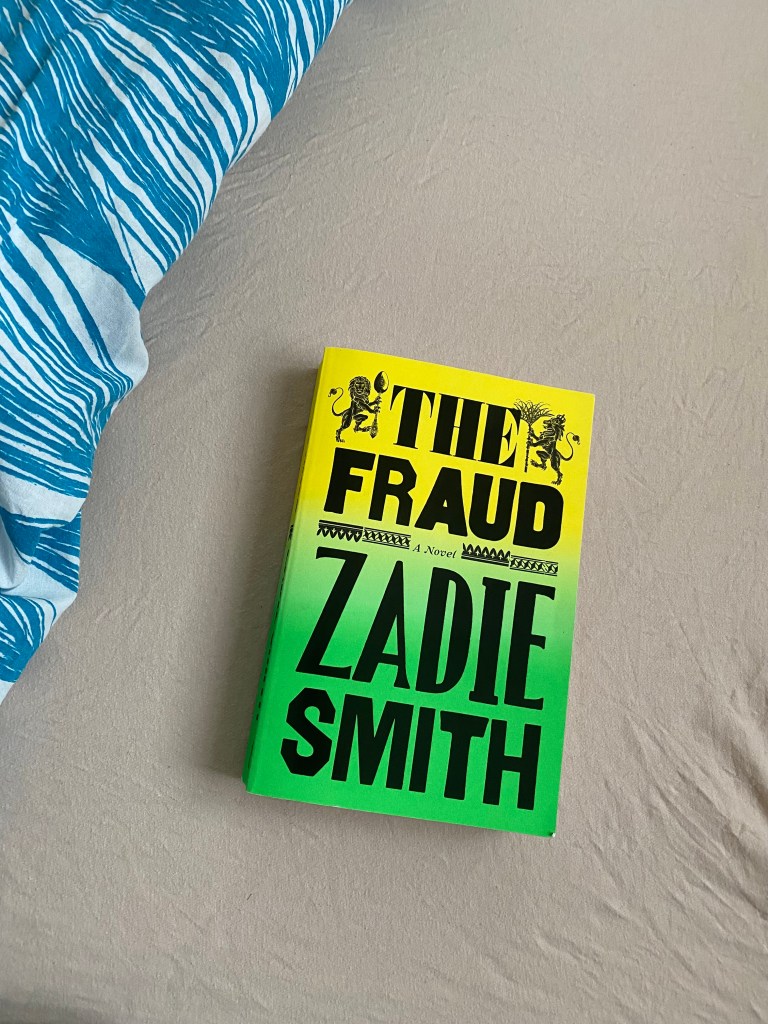
This is a sad case of right book, wrong time. I read On Beauty by her about five years ago and loved it, so was excited when I stumbled upon her latest book and first historical novel, The Fraud, at a neighbourhood book sale. It is set in the 19th century and follows the life of Eliza Touchet, cousin of author William Ainsworth (who was a real person and writer). There’s a court case (which also really did happen) interwoven in the story, and we keep meeting illustrious characters such as Charles Dickens. There’s a lot going on, but the very short chapters make it feel snappy and keep the pace going. But I somehow struggled to get beneath the surface of this book, even though it was obvious there was lots to unpack there, as this story deals with racism, the patriarchy and class struggles, among other issues. I just wasn’t in the right head space to really go deeper, and the court case sections frequently took me out of the story a lot, as they are interspersed with the other story line. I did absolutely love Zadie Smith’s writing style, though. Her social commentary often reminds me of Jane Austen, which is the highest of compliments you can give to a writer, in my opinion. I can totally see why this book was met with such warm reviews, and firmly declare that in this case, I am the problem. I will continue to read Zadie Smith’s books and hope that the next one will sweep me off my feet!
There you go, some of the books I have been reading! I did not love all of them, but do think they are good books that lots of people will likely enjoy, so I hope you got some useful recommendations. Happy reading ❤

 lou's library
Leave a comment